988 Suicide & Crisis Lifeline
Call or text 988 - free, confidential, 24/7. Trained counselors. Works from any US phone, including from a truck cab in a dead-zone parking lot. Formerly the 1-800-273-8255 National Suicide Prevention Lifeline.
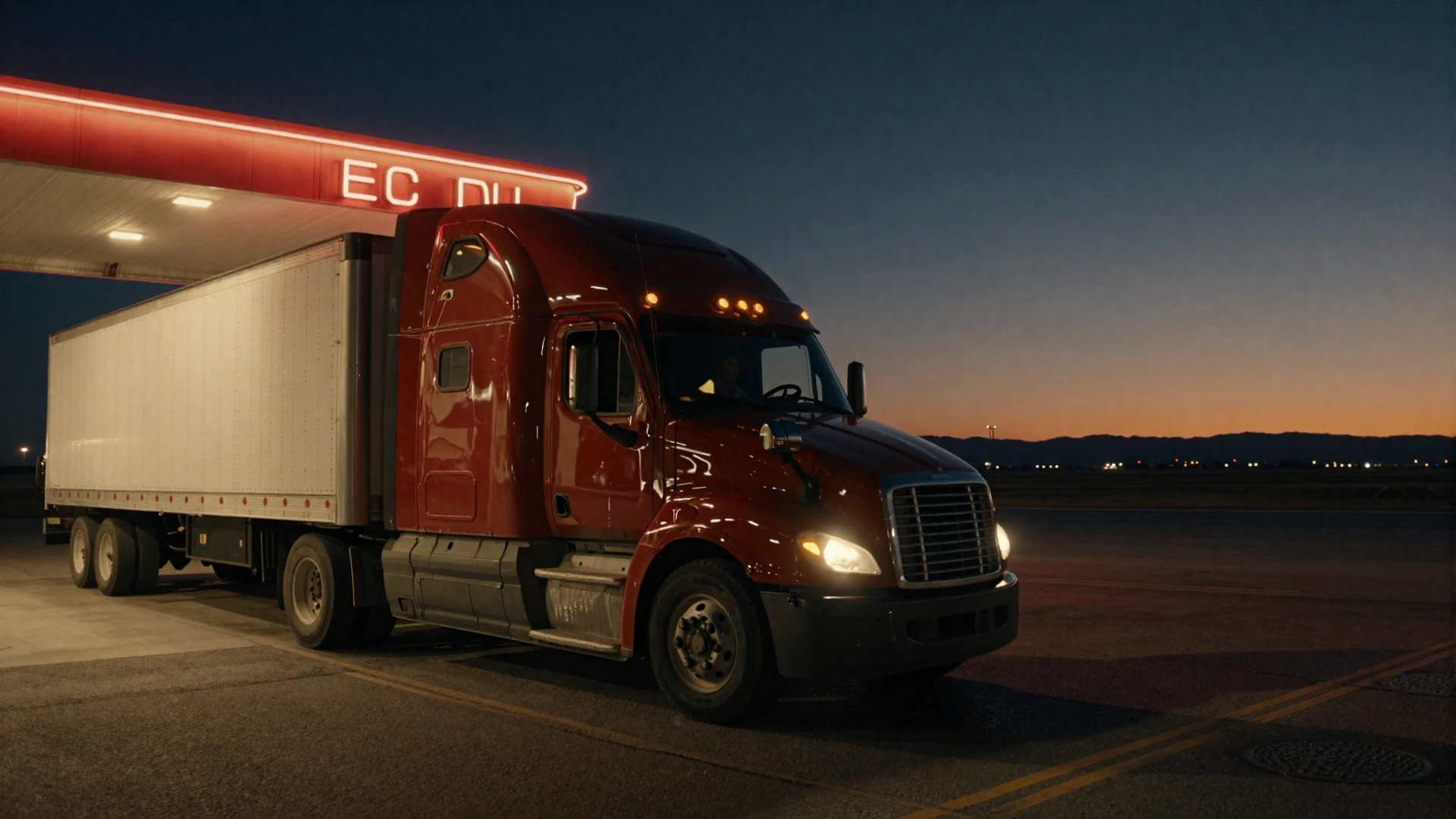
There's a particular kind of quiet at a Pilot at 11 p.m. on a Tuesday. The engines tick as they cool. The fluorescent lights from the shop spill across the lot. You eat your dinner alone in the cab, scroll your phone, and try to remember what your own voice sounds like when it's saying something other than directions back to dispatch. This is what truck stop romance actually looks like in 2026 - and why so many drivers are finally finding their way out of it.
Written by the Highway Social editorial team · With reporting from drivers on I-80, I-40, and I-95
Loneliness on the road is not a feeling you imagined. It's a measurable public-health pattern, documented in peer-reviewed research and confirmed by every major driver survey of the last three years.
Of long-haul drivers report chronic loneliness on the road - nearly one in three.
Source: International Journal of Environmental Research and Public Health; EpicVue Driver Survey, 2023
Of US truck drivers live with diagnosed depression, roughly double the national rate for working adults.
Source: IJERPH, 2024
Divorce rate among long-haul drivers - the highest in any major American occupation.
Source: American Trucking Associations, 2025
A 2026 Oxford Academic study confirmed what drivers have been saying for years: loneliness and the absence of social support are direct mediators between job stress and depressive symptoms in the trucking workforce. The road doesn't just make you tired. It rearranges your nervous system.
OTR isolation is not regular loneliness. It is a specific kind of solitude shaped by your job's geometry - long stretches of one-way conversation with a dispatcher, two-week absences that erase you from the social calendar back home, and a steady erosion of the casual interactions that most people use to feel human. You don't notice the first week. By week two, you notice that nobody at the truck stop knows your name. By year five, you notice that the friends who used to call have stopped.
Drivers describe it the same way across every forum and every interview. There is a particular fatigue that comes from being constantly visible to traffic but invisible to people. You pass a hundred thousand cars and not one driver looks over. You park, you eat, you sleep, you drive. The cab gets quieter the longer you do this work, not louder.
Nobody in the outside world can really understand what OTR means, how it gets into your bones. After ten years, the hardest part of this job isn't the miles. It's what the miles cost in everything else. - Veteran driver, TruckersReport forum, 2025
That cost has a name in clinical literature: social pain. Brain-imaging research has shown that the experience of prolonged social isolation activates the same regions of the brain as physical pain. Your body interprets being alone for weeks the way it interprets a broken bone - as something that needs healing. The trouble is, you can't splint loneliness. You can only build a way out of it.
That way out used to mean truck stop bars and CB radio. It still can. But for most drivers under fifty, it now means a phone, a quiet hour at the end of a shift, and someone on the other end who actually understands what a 34-hour reset means without needing a glossary.
Asynchronous messaging changed everything about long-distance dating for drivers, and most of the industry hasn't fully caught up to it yet. A voice note is not a phone call. You don't need both people awake at the same moment. You don't need full bars of signal - a voice note will queue and send the second a truck stop's Wi-Fi catches. You don't need a perfect sentence. You just need to talk like you'd talk if she were in the passenger seat.
PrecisionLogix's 2025 communications guide ranks Zello, WhatsApp, and Signal as the three tools most drivers actually keep on their phone - all three built around the same insight: people who can't be in the same room still need to hear each other's voices. A daily two-minute voice note is doing more for OTR relationships in 2026 than any other single behavioral change.
Video chat fills the second gap. Even a five-minute FaceTime from the cab - engine off, windows cracked, the sun going down behind a fuel island in Amarillo - gives both of you something a phone call can't. You see each other's faces. You see the rig. She sees the life that takes you away, instead of just absorbing the absence.
This is the part Highway Social was built around. Our messaging is asynchronous-first, designed for truck-stop Wi-Fi and quiet hours, not for rapid-fire texting. You can read more about why traditional dating apps fail drivers on a structural level - but the short version is that they were built for people who can answer in thirty seconds, and you cannot.

Anonymized voices from real forum threads and our own member interviews. These are not glossy press-release stories. They are the small, ordinary ways the road stopped being lonely.
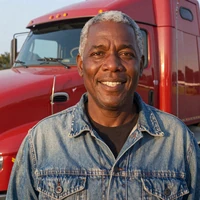
Twenty years OTR and I figured the relationship part of my life was over. Met Linda on a niche app, traded voice notes for three months before our first in-person date in Albuquerque. We got married in New York last fall. It is never too late to put the lonely part down.

I am the partner side of this story. I matched with Dan, a flatbed driver out of Iowa, and the first thing he said was that his answers would be slow. That honesty was everything. Two years in we are still doing voice notes every morning, and I have ridden Iowa 80 to Reno in his cab three times.
More of these on our Success Stories page, including the Love Stories Map showing where couples first met along the freight lanes.
Dating is not a substitute for mental health care. If you are struggling at the wheel, in the cab, or in a truck stop parking lot tonight, these are the resources built for people in your line of work.
Call or text 988 - free, confidential, 24/7. Trained counselors. Works from any US phone, including from a truck cab in a dead-zone parking lot. Formerly the 1-800-273-8255 National Suicide Prevention Lifeline.
Nonprofit serving over-the-road and regional drivers in financial crisis from illness or injury. They also publish ongoing wellness and mental-health resources written specifically for the trucking workforce.
Online therapy that works asynchronously - text, voice, and scheduled video sessions you can attend from the cab on home time or a 34-hour reset. Licensed therapists, no waiting room, accessible from any truck-stop Wi-Fi.
Pull off at the next safe exit. Call 988. You do not need to know what to say. The person on the other end of that line is trained for this exact call, from this exact place, at this exact hour. Drivers call them every night. You will not be the first one tonight, and you will not be the last.
How road life reshapes relationships, the top truck stops where modern romance is being built, and why a partner becomes a co-pilot.
Daily check-ins, video call routines, trust building, and the small gestures that keep two-week absences from breaking a relationship.
Honest reviews of the five trucker dating apps actually worth your time this year - features, pricing, active users compared.